From Planner to Asana - and everything else this past year

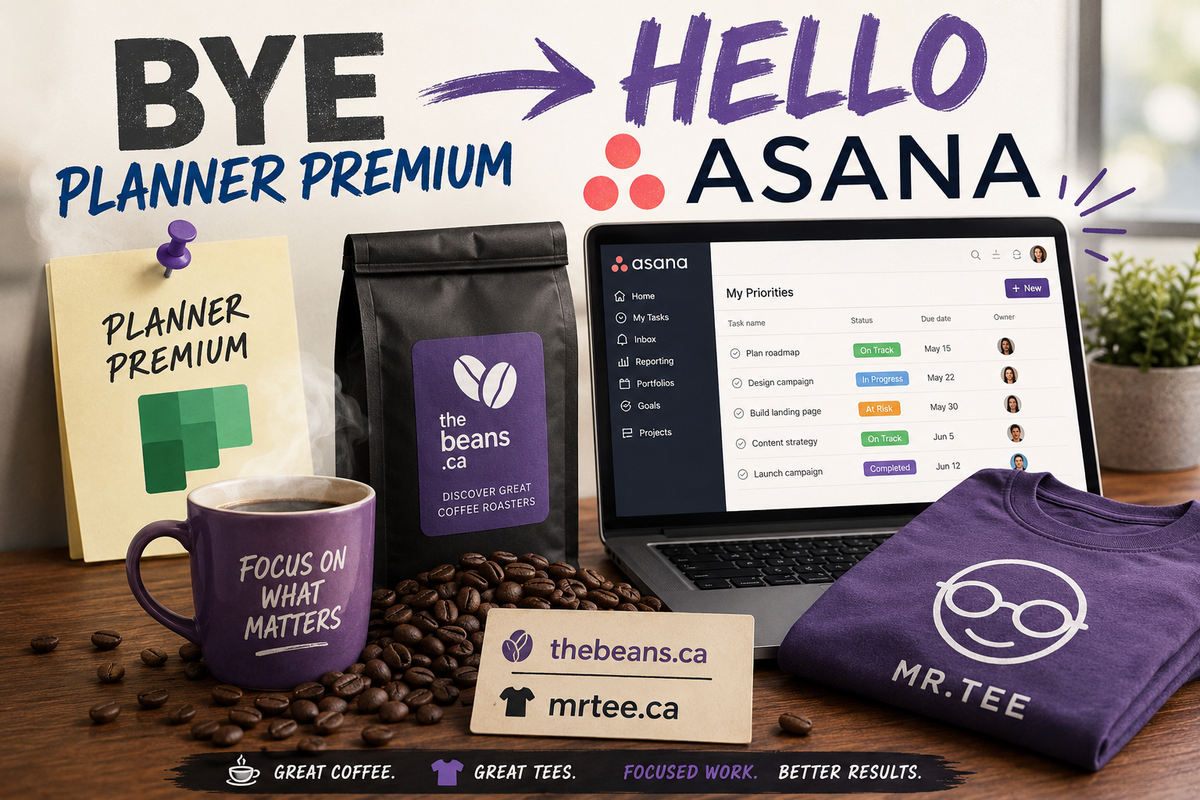
Happy weekend-eve! I ghosted you for almost a year as far as this hobby is concerned so I figure it's time to tell you what's happening.
It turns out that the organization I work at decided to change direction and use Asana instead of Microsoft Planner premium plans. Hence, my lack of ongoing posts on Planner.
Before telling you what I've been up to, here's a high-level comparison of the two products.
Asana vs. Planner Premium
A large supplier to the previous company that I worked at was using Asana so I got some good exposure to it and found it quite good. It felt more like an informal project collaboration tool than a formal project management tool.
Asana has standard List, Board, Calendar, and Timeline views and Planner has similar Kanban, Grid, and a lighter Timeline/Schedule view, but limits how you can organize custom data. Asana supports a ton of custom fields and good controls around them.
Asana connects with over 400 external applications like Slack, Salesforce, and Google Drive but doesn't integrate as tightly with Microsoft. There's a very large collection of add-ons for Asana, over 200 in their official app store. Of course Planner focuses on the Microsoft ecosystem including Teams, Outlook, and SharePoint.
Asana supports custom rules, branching workflows, and task dependencies but lacks strong baselining capabilities. Planner Premium has useful tracking tools, but the standard version lacks customizable automations.
Asana has a free basic plan for up to 15 users and then Starter and Business paid tiers. Microsoft Planner is included at no extra cost in standard Microsoft 365 Business Basic, Standard, and Premium subscriptions. The advanced Planner Premium plans require additional paid license.
I asked ChatGPT to create an infographic comparing the products and here's the result:
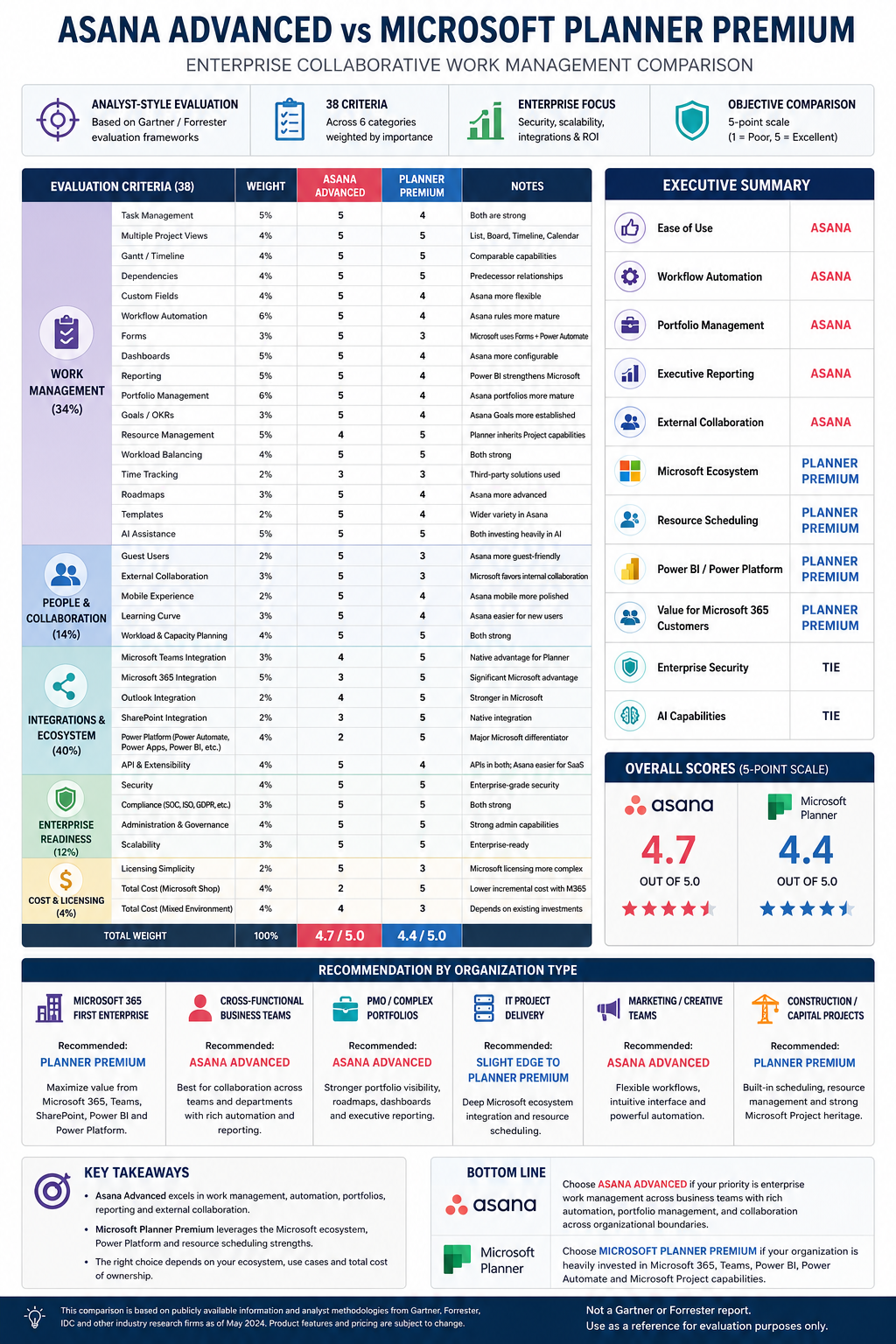
That chart looks pretty but I haven't fact-checked every cell, so treat it as a visual vibe-check rather than a reference.
That's a taste of the differences between the two and as I use Asana more I'll have deeper insights into the tool and its capabilities. Anyway, enough tool comparison and here's what I've been up to.
What have I been up to?
Work-wise I've taken on a delivery lead role in the area of data and integration technologies within the same organization. This exposed me to the world of data and analytics including tech like Microsoft Azure and Databricks which is seeing great success in the industry.
The systems and software integration side I'm much more experienced with and yet I am finding there are a lot of things to learn like architecture-as-code, diagrams-as-code etc. This is especially true with all the AI developments. I'm not sick of AI yet and dived into Generative AI (genAI) aka "vibe coding". Here's how that came about...
I finally bought an espresso machine last year and was looking for local coffee roasters but I couldn't find a great resource. I started visiting local roasters West of Toronto and trying their beans.
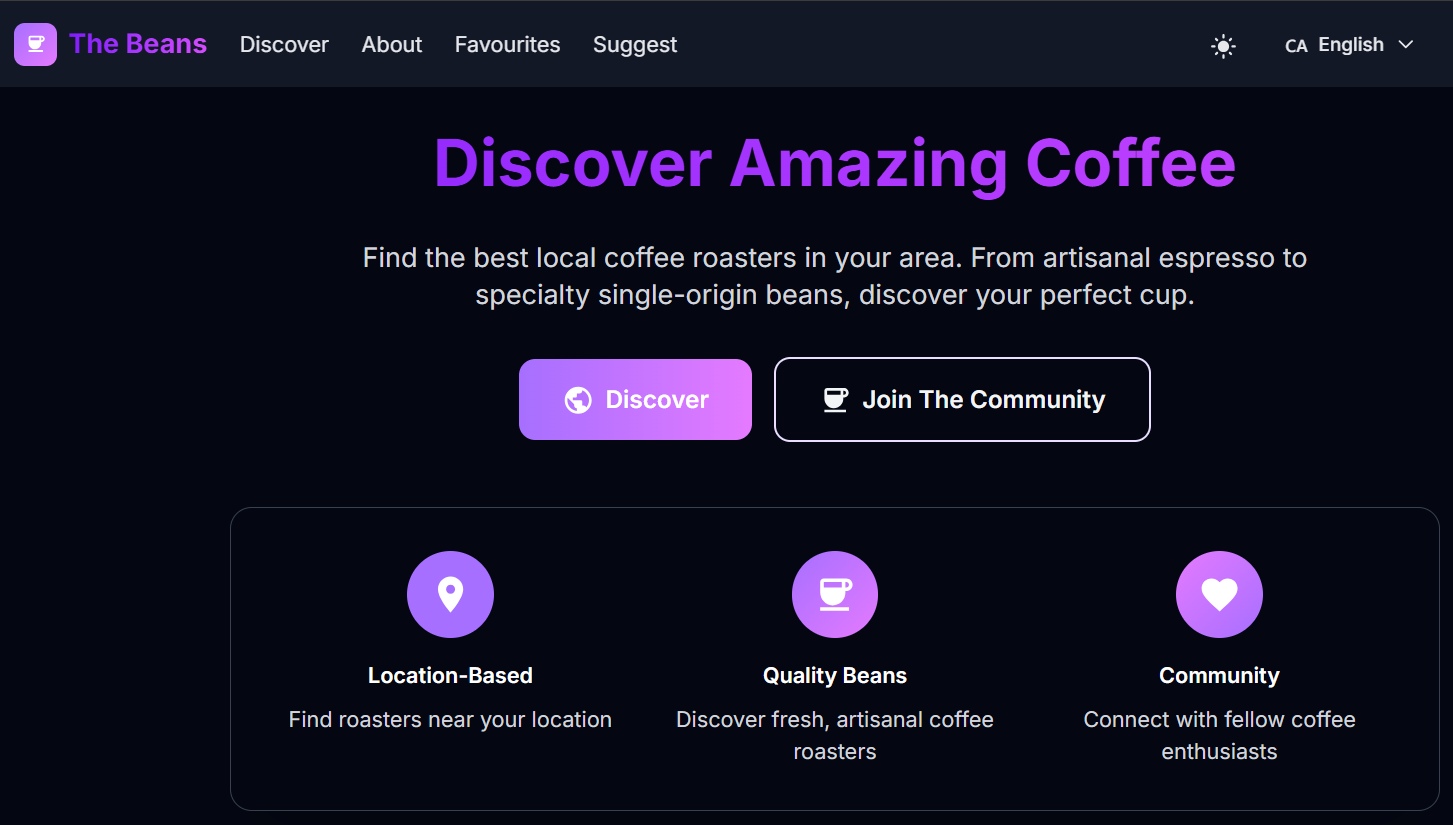
Because I wanted to learn about genAI, I vibe-coded www.thebeans.ca for people to discover roasters and started a new hobby tracking coffee roasters. That led me to thinking that I could curate the most comprehensive data set of roasters around the world. So far I have 1,733 roasters across 812 cities in 93 countries. I may have a new rabbit hole that's too deep.
That hobby aligns with me learning more about data engineering and analytics.
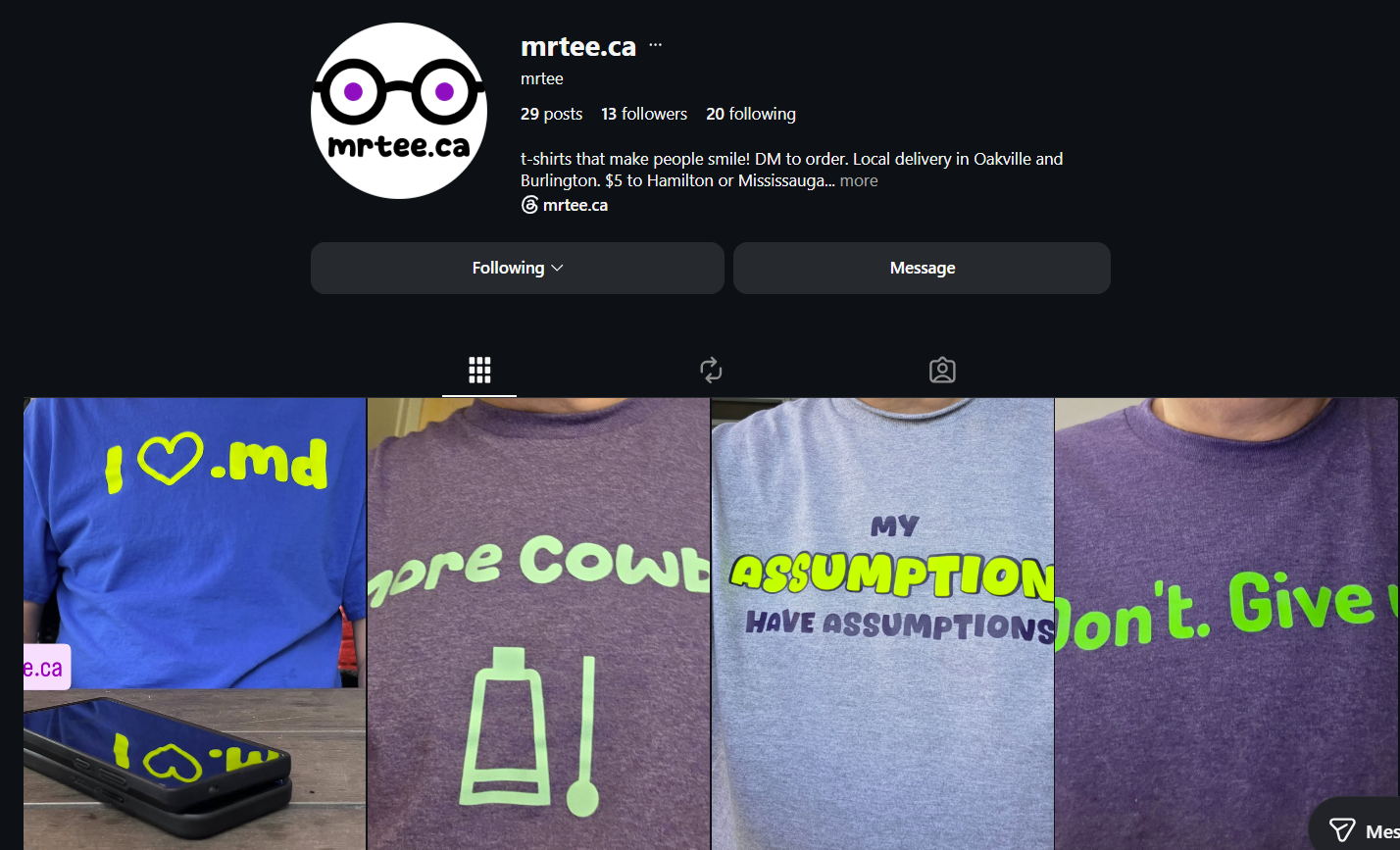
I ended up shutting down the e-commerce part of mrtee.ca as I didn't make many sales but I continue creating t-shirts for myself as I get joy out of making people smile.
Where to find me
If you're into coffee and have a favorite roaster, please submit them at www.thebeans.ca and follow me on Instagram @thebeans.ca or Threads @thebeans.ca. Oh, and be sure to check out my tees at @mrtee.ca!
That's it for now. I hope this post finds you and yours in good health and spirits.
Otto